Sober activities in NYC are outings—bars, events, nightlife, outdoor spaces, and social experiences—where alcohol is absent or not the focal point. New York City has hundreds of them, across every borough, at every price point, and at every hour of the day. We at Williamsburg House put together this guide to give you specific venues, named events, and practical strategies for building an active, alcohol-free social life in New York—whether you're newly sober, in long-term recovery, or simply exploring a life with less alcohol.
A note on terminology: throughout this article, "sober activities," "alcohol-free," "zero-proof," and "NA (non-alcoholic)" are used interchangeably to describe the same thing—spaces and events where drinking is not the primary draw or is absent entirely.
TL;DR
NYC has more sober-friendly things to do than most people realize—from zero-proof bars in the East Village to sober dance parties in Bushwick and free waterfront skating in Brooklyn. This guide gives you specific venues, named events, practical safety tools, and seasonal itineraries to help you build a real recovery-supportive social life in New York City.
Key Takeaways
NYC has a genuine zero-proof bar scene: Hekate (East Village), Sechey (Williamsburg and West Village), Spirited Away (Chelsea), and Absence of Proof (rotating pop-up) are all worth knowing.
Sober nightlife is real. Daybreaker events, Xanadu roller nights in Bushwick, and Ecstatic Dance NYC offer full-energy evenings with no alcohol in sight.
Several of the best options are completely free: the Staten Island Ferry, Brooklyn Bridge Park, the High Line, and pay-what-you-wish museum hours.
Plan seasonally. Summer opens up outdoor skating, waterfront activities, and free park programming. Winter shifts the focus to indoor climbs, late museum nights, and NA bottle shop tastings.
Community is the engine of long-term recovery. Prioritize recurring group events over one-off outings to build the peer relationships that sustain sobriety.
Prepare short, polite scripts for declining alcohol and have a grounding plan and exit strategy ready for any late-night outing.
What Are Sober Activities and Why Do They Support Recovery?
Sober activities are social outings where alcohol is absent or not the focal point. They range from explicitly labeled alcohol-free events to everyday options—coffee shops, climbing gyms, art galleries—that simply don't center on drinking. They are relevant for anyone in recovery from alcohol use disorder (AUD), people in early sobriety, and the growing number of sober-curious individuals who want social options that don't require a drink.
Why does this matter for recovery? Environment is one of the strongest predictors of relapse. Choosing alcohol-free spaces reduces exposure to cues that trigger cravings, makes it easier to hold personal boundaries, and creates opportunities to meet people around shared interests rather than shared drinks. Social isolation—the absence of those connections—is itself a well-documented relapse risk factor.
SAMHSA (the Substance Abuse and Mental Health Services Administration) identifies a supportive social environment as one of the four core dimensions of recovery—alongside health, home, and purpose. A sober social life is not a luxury. It is a recognized protective factor against relapse. Many people in recovery also manage co-occurring mental health conditions such as anxiety or depression; alcohol-free social spaces reduce the risk of using alcohol to self-medicate those symptoms.
What Is Early Recovery?
Early recovery is generally defined as the first one to two years of sobriety. During this period, the brain's reward system is still recalibrating after prolonged alcohol or substance use. Cravings can be triggered by people, places, and routines associated with drinking. Deliberately choosing alcohol-free social environments during early recovery isn't restrictive—it's protective. It lowers the risk of relapse while the brain heals and new social habits form.
What Is the Sober-Curious Movement?
Sober-curious refers to people who are intentionally questioning or reducing their alcohol use—without necessarily identifying as alcoholic or in recovery. The movement has driven significant growth in zero-proof bars, dry events, and alcohol-free social spaces across NYC. Many of the venues and events in this guide serve both people in active recovery and people who are simply exploring a life with less alcohol. The practical guidance is the same either way.
Common Categories of Alcohol-Free Outings in NYC
New York's sheer size means that almost every kind of social interest has an alcohol-free expression somewhere in the five boroughs. Here's a practical breakdown of what's available:
Museums and galleries — Many offer late hours, pay-what-you-wish evenings, and special exhibitions that encourage lingering conversation in low-stimulus environments. The Met, MoMA, and Brooklyn Museum are reliable anchors for a culture-focused day or evening.
Wellness experiences — Yoga studios, sound baths, meditation centers, and day spas provide structured, intentional spaces for self-care. Williamsburg in particular has a thriving wellness scene within easy reach of public transit.
Cultural events — Film screenings, book readings, lectures, and live theater are regular alcohol-free alternatives that feel social without the bar-centric pressure.
Food-focused outings — Coffee shops, dessert spots, and non-alcoholic cocktail bars (yes, they exist in NYC) allow for genuine socializing without the pressure to drink.
Active and outdoor options — Walking tours, group fitness classes, bike rides along the waterfront, and Brooklyn Bridge Park offer low-pressure ways to connect with others while staying active.
Sober-hosted nights and meetups — Intentionally alcohol-free socials, dinner parties, and game nights organized through local recovery and wellness communities are some of the most supportive environments you'll find.
Late-Night Options and Sober Nightlife in New York
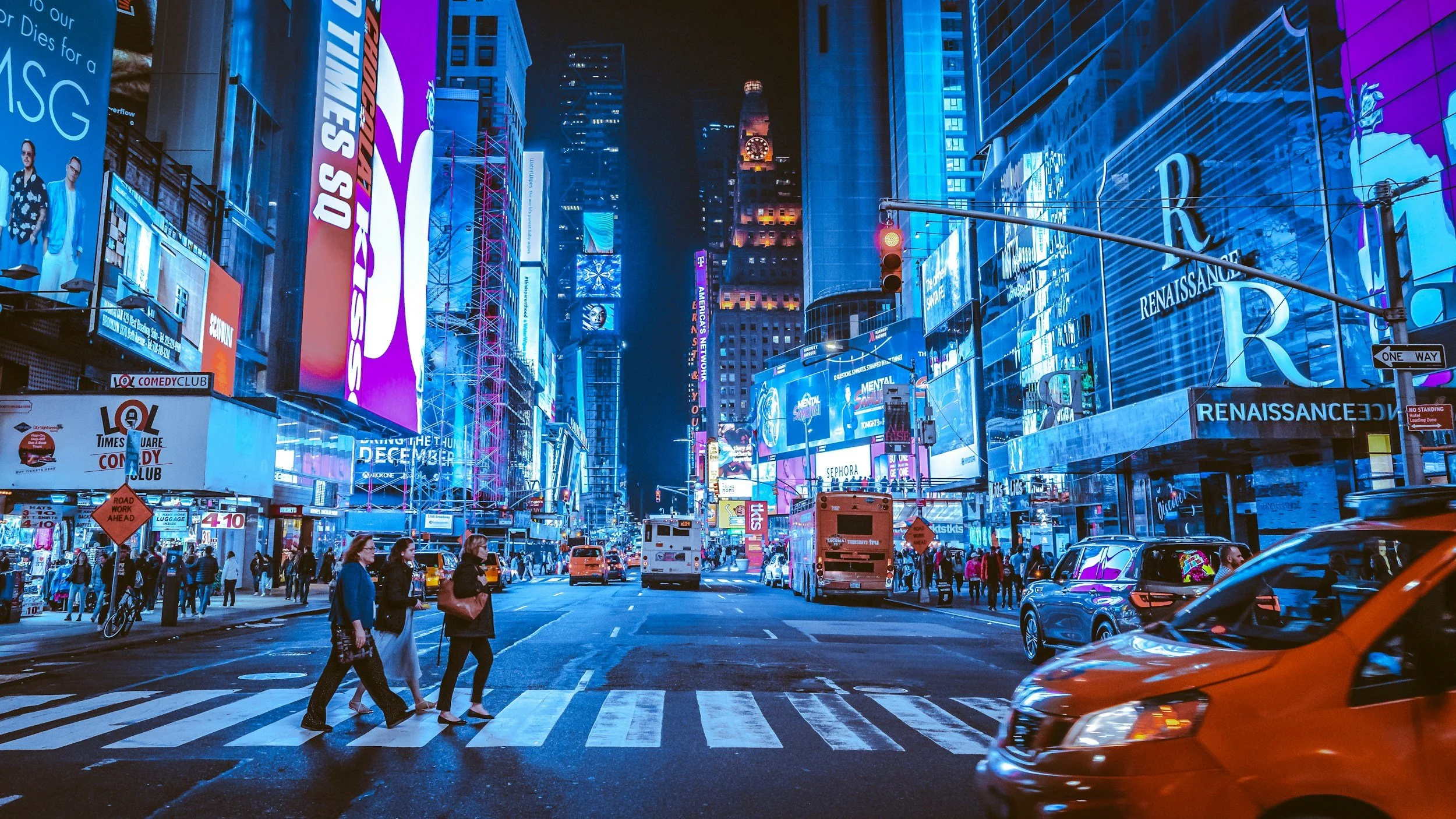
One of the biggest concerns people have when getting sober is losing their nightlife. New York has a genuine answer to that. The city is home to late-night galleries, 24-hour diners, night museum events on select evenings, and a growing number of explicitly "dry" dance nights and sober socials that recreate the energy of nightlife—minus the substances.
When planning a late-night outing, look for venues that advertise alcohol-free nights or host programming where beverages aren't the main draw. Neighborhoods like Williamsburg, Bushwick, and the East Village tend to have the most options for late, lively, sober-compatible evenings. Always factor in transportation and safety when planning: know your route home before you go out.
The Best Sober Bars, Dry Events, and Alcohol-Free Venues in NYC
Generic categories are useful for planning, but specific destinations are what actually get you out the door. Here are some of the most consistently recovery-compatible venues and events in New York City, organized by type.
Sober Bars and Non-Alcoholic Bottle Shops
NYC's zero-proof scene has grown significantly and now includes options across several neighborhoods. These are purpose-built for people who want the social experience of a bar without the alcohol.
Hekate Cafe & Elixir Lounge (East Village) — Rated the #1 sober bar in the US by TimeOut. Manhattan's only fully alcohol-free bar. Zero-ABV cocktails, elixirs, and craft non-alcoholic beers on Avenue B. Regular events make it a solid spot to meet sober community members.
Sechey (West Village, Williamsburg, and other locations) — A non-alcoholic bottle shop and tasting lounge. Carries 75+ zero-proof wine, spirit, and beer brands. Weekly tastings make it social. The Williamsburg location on Bedford Ave is steps from Williamsburg House.
Spirited Away (Chelsea) — America's first dedicated non-alcoholic bottle shop. Stocks zero-proof spirits, ready-to-drink cocktails, and craft beers. Hosts in-store tastings and DJ events.
Absence of Proof (rotating pop-up) — An upscale non-alcoholic cocktail pop-up with a curated mocktail menu. Runs events nearly every week across NYC. Check their Instagram for locations and dates.
Sober Dance Events and Conscious Clubbing
One of the most persistent myths about recovery is that nightlife has to end. These events directly disprove that.
Daybreaker (Rotating NYC venues) — A global sober dance movement. NYC events run early morning (6–9am) with yoga, live music, and dancing—no alcohol. Events are held at venues including Xanadu in Bushwick. Check daybreaker.com for dates.
Xanadu Roller Arts (262 Starr St., Bushwick) — NYC's only year-round indoor roller rink. Hosts themed skate nights—R&B, disco, gospel, vinyl—and Daybreaker events. A short trip from Williamsburg on the L or M train.
Ecstatic Dance NYC (Judson Memorial Church) — A free-form, substance-free dance gathering. No phones, no alcohol, no judgment. Just music and movement in a community setting.
RebootNYC (Rotating venues) — Wellness-oriented, booze-free dance events across the city. Follow them on social media for upcoming locations and dates.
Indoor Active and Experiential Options
Movement Gowanus (Brooklyn) — A well-regarded indoor climbing gym open until 11pm most weeknights—ideal for late-night active socializing. Climbing is naturally community-building: you spot people, you coach each other, you share routes.
Brooklyn Boulders (Long Island City, Queens) — Another popular climbing gym with late hours and a strong community culture. Beginner-friendly with classes available.
The Met (Upper East Side) — Open until 9pm on Fridays and Saturdays. Quieter than daytime, more atmospheric, and entirely alcohol-free. Pay-what-you-wish admission for NYC residents.
The Whitney Museum (Meatpacking District) — Free for visitors under 25 and open until 10pm on Fridays, the Whitney is one of the best late-night culture options in the city with a consistent programming calendar.
Staten Island Ferry — Completely free, runs 24 hours, and offers some of the best views of the Statue of Liberty and the Lower Manhattan skyline. A legitimate late-night outing that costs nothing.
How to Meet Sober People and Build Community in NYC
Community is one of the most powerful protective factors in long-term recovery. Social isolation—the absence of meaningful peer connection—is one of the leading predictors of relapse. People who build a sober social network in the first year of recovery are significantly more likely to sustain their sobriety. Here are practical ways to build yours in New York:
Join sober meetup groups with age- or interest-specific listings on platforms like Meetup or Eventbrite, so you can find people at a similar life stage.
Attend recovery-friendly events or workshops at community centers, wellness studios, and sober living houses.
Volunteer with local organizations or arts programs to meet people through shared purpose rather than shared history.
Use event platforms and filter for "alcohol-free" or "sober-curious" tags—then read the event description carefully to confirm the environment.
Prioritize recurring meetups over one-off events. Consistency builds trust and accountability, which are the foundations of real connection.
Peer Support Options in NYC: AA, SMART Recovery, and More
Peer support is one of the most evidence-backed tools in recovery. Several distinct formats exist—find the one that fits your approach:
AA (Alcoholics Anonymous) — A 12-step peer fellowship. Free, widely available, and with meetings across every NYC neighborhood at nearly any hour. The Midnite Meeting and 12th Street Meeting tend to draw younger crowds.
SMART Recovery — A secular, evidence-based alternative to 12-step programs. Uses cognitive-behavioral techniques to manage cravings and build motivation. Meetings available in NYC in-person and online.
Recovery Dharma — A Buddhist-influenced recovery community using mindfulness and meditation practices. Particularly active in Brooklyn.
The Phoenix — A free national nonprofit running community fitness and social events specifically for people in recovery. Active in NYC with climbing, running, yoga, and social events.
At Williamsburg House, we support our residents in connecting with whichever peer support model fits them—AA, SMART Recovery, therapy, medication-assisted treatment, or a combination. We also build community directly into our daily structure. Our residents have twice-weekly in-house recovery meetings, a strong alumni network, and a neighborhood with one of the most active sober communities in NYC. We also believe recovery is deeply personal. For more on the mental health dimension, read our post on breaking down the mental health stigma. We also celebrate the full diversity of our recovery community—including our LGBTQ+ residents and neighbors.
Accessibility at Museums and Cultural Venues
Most major NYC museums and cultural venues publish accessibility details online. Look for elevator access, ADA seating, wheelchair rentals, and assistive-listening devices on their websites. Smaller venues often respond quickly to questions by phone or email. If mobility is a concern, call ahead before you go. Confirming the route and entrance in advance removes stress on the day.
How to Find Alcohol-Free Events in NYC (Eventbrite, Meetup, and More)
Eventbrite and Meetup are commonly used to list sober-curious and alcohol-free events, but quality varies by organizer. Look for explicit language in the event description such as "alcohol-free" or "sober friendly," and check the organizer's profile for consistency. If an event listing is vague about whether alcohol will be present, reach out directly to the organizer before attending.
Sound baths, guided meditations, and popular wellness classes fill up fast on weekends. Most studios cap capacity to keep sessions intimate. Book in advance. It also helps you build a predictable weekly routine—one of the simplest things you can do to protect your recovery.
How to Verify an Event Is Truly Alcohol-Free Before You Go
Not all events labeled "sober-friendly" are fully alcohol-free. Some allow drinking in certain areas; others use the term loosely. Use this five-step check before committing to any event:
1. Read the full event description, not just the title. Look for the words "alcohol-free," "dry," or "zero-proof." "Sober-friendly" or "sober-curious" do not always mean alcohol is absent.
2. Check the organizer's event history. A recurring organizer with a track record of alcohol-free events is more reliable than a one-off listing from an unknown account.
3. Look at the venue. If the event is held at a bar or nightclub, confirm in writing that the event space itself will be alcohol-free—not just that NA options are available.
4. Message the organizer directly before buying a ticket. A simple "Can you confirm this event is completely alcohol-free?" takes 30 seconds and removes all ambiguity.
5. Check reviews or social media posts from previous attendees. Photos and comments from past events reveal the actual environment more reliably than event copy.
Family-Friendly Alcohol-Free Options on Weekends
Parents and caregivers in recovery often need different weekend planning. NYC has plenty of options. Parks programming, family workshops at museums, community festivals, and children's theater matinees all work well. Most are alcohol-free by default.
Many museums run weekend programs specifically for kids and caregivers. These outings also serve a secondary purpose: they introduce family members to a recovery-oriented lifestyle in a low-pressure, natural setting.
Practical Safety Tips for Late-Night Sober Outings
Enjoying the city after dark doesn't require compromising your safety or your recovery. Here are simple, practical steps to make any late-night outing feel secure:
Share your plan with a trusted friend and check in by text at set times during the evening.
Use well-lit routes and prefer public transit or rideshares with familiar pickup locations.
Carry a charged phone and a small power bank when possible.
Keep a simple "safety wallet" with your ID, a transit card, and a list of emergency contacts.
Trust your instincts—if a venue or situation feels off, leave early without second-guessing yourself.
Handling Offers of Alcohol and Social Pressure
Social pressure around alcohol is one of the most common and underestimated challenges of early recovery. Having a short, prepared response makes a real difference. A simple phrase like 'Thanks, I'm not drinking tonight' is polite, direct, and doesn't invite follow-up. If you'd rather avoid repeated offers, hold a nonalcoholic beverage so the question rarely comes up.
If someone pushes further, reinforce your boundary calmly and consider stepping away to a quieter area. You never owe anyone an explanation for your sobriety. If a particular venue or social circle consistently creates pressure, consider whether those environments align with where you're headed—and choose settings that do.
Which Social Settings Carry Higher Relapse Risk?
Not all social environments carry the same risk. Recognizing which settings are higher-risk—especially in early recovery—helps you plan around them rather than be caught off guard.
Higher risk: Open bars at weddings or work events, nightclubs, social circles where drinking is the primary bonding activity, and venues where you have strong associations with past drinking.
Moderate risk: Restaurants with full bars, house parties where alcohol is present but not central, and one-off events with unknown environments.
Lower risk: Explicitly alcohol-free venues, recovery community events, daytime outings, activities with a structured focus (classes, hikes, workshops).
Key warning sign: If you feel you need to explain or defend your sobriety repeatedly in a setting, that setting is working against your recovery—not for it.
What to Do If You Feel Triggered in Public
Even well-planned outings can surface unexpected triggers. The most important thing is having a plan before you need it. If you feel triggered during a public event:
Move to a quieter space and use grounding techniques—deep breathing, counting, or naming five things you can see in the room.
Have a short list of contacts saved in your phone that you can call or text for immediate support.
Leave early if needed and get to a safe, familiar environment. Leaving is never a failure.
Use a recovery app or crisis line if you need immediate, confidential support.
SAMHSA's National Helpline (1-800-662-4357) is a free, confidential resource available 24/7 for anyone dealing with substance use or mental health challenges. You can also text HOME to 741741 to reach the Crisis Text Line at any time.
FREE SOBER ACTIVITIES IN NYC
Not every sober outing has to cost money. These are reliably free:
• Staten Island Ferry — free, 24 hours, stunning skyline views both ways
• Brooklyn Bridge Park — free waterfront walking, outdoor fitness, and Pier 2 skating (free Mon & Fri 3:30–6pm in season)
• The High Line — free elevated park running from Meatpacking District to Hudson Yards
• The Whitney Museum — free admission for all visitors under 25
• Brooklyn Museum — pay-what-you-wish on select Thursday evenings
• AA and recovery meetings — free, across virtually every NYC neighborhood, at any hour
Quick Neighborhood Itineraries by Mood and Season
One of the best ways to make sober socializing feel natural is to have a few go-to plans ready. Here are itineraries built around NYC neighborhoods, different social moods, and the season you're in.
Quiet culture day — any season (Chelsea / Upper East Side): Visit a gallery or the Whitney in the afternoon (free for under 25, open until 10pm Fridays), then settle into a cafe with good seating. In warmer months, walk the High Line before or after.
Wellness evening — any season (Williamsburg): Attend a yoga or meditation class, then stop into the Sechey location on Bedford Ave for a guided NA tasting. Williamsburg's walkability makes this easy on a weeknight.
Low-key sober nightlife night (East Village): Start at Hekate Cafe on Avenue B for an alcohol-free cocktail and a community vibe, then catch a comedy show or book reading nearby. End at a 24-hour diner. The East Village has the density for a full sober evening without a bar in sight.
Active night out (Bushwick): Head to Xanadu Roller Arts on Starr Street for a themed skate night or a Daybreaker event. The energy rivals any club night in the city—no alcohol required. Take the L or the M train back.
Outdoor summer day (Brooklyn): Free skating at Brooklyn Bridge Park Pier 2 in the morning, a walk across the bridge, a picnic with waterfront views in the afternoon. Simple, entirely free, and genuinely restorative.
Winter indoor day (Manhattan): Browse Spirited Away in Chelsea for zero-proof finds, then spend the afternoon at The Met (open until 9pm Fridays and Saturdays). End with a late dinner at a plant-forward restaurant that takes mocktails seriously.
-
Williamsburg has one of the most active recovery communities in New York City, with a median age of 29 and a culture built around creativity, wellness, and independent living rather than bar culture. The neighborhood is walkable, well-connected by transit, and full of the kinds of alcohol-free options covered in this guide. For our residents, building a sober social routine doesn't require traveling far—the neighborhood itself supports it.
-
Sober living—also called a recovery residence or transitional housing—is a structured, peer-supported home environment for adults after completing a detox or treatment program. It is not a rehab or clinical setting; it is the step that comes after. Without a stable, accountable home base, even the best intentions can be difficult to sustain in a city as stimulating—and triggering—as New York. At Williamsburg House, our residents benefit from individualized case management, clinical collaboration, twice-weekly in-house recovery meetings, and a built-in sober community. Read firsthand about how sober living helped change one resident's life.
-
For many people, the transition from a treatment program back to daily life is one of the most vulnerable periods in recovery. Sober living bridges that gap by providing a structured, alcohol-free home with ongoing support—while giving you the freedom to work, reconnect with family, and build a social life. If you're asking yourself what comes after treatment, this blog post walks through exactly that question. You're also welcome to call us at 347-434-9779 to talk through whether our program is the right fit for where you are right now.
-
We offer 7,000+ sq ft of loft-style living with a private chef (daily dinners), full gym membership, yoga access, housekeeping, on-site laundry, and spacious common areas. Beyond the physical space, every resident receives a dedicated case manager, recovery coaching, and 24/7 staff support from people in recovery. Full details are on our Experience page at williamsburghousenyc.com/experience.
-
We help our residents build a sober social life in three ways: community infrastructure, case management, and neighborhood access. When you move in, you're immediately connected to housemates, our alumni network, and a neighborhood with deep roots in the recovery community. Your case manager helps you identify sober resources, set goals, and build a social plan alongside your recovery plan. We host twice-weekly in-house recovery meetings and support participation in outside meetings and local events. To see what we have going on, explore the Williamsburg House events page.
-
Recovery means different things to different people, and measuring it can be harder than it sounds. It's not just about abstinence—it's about rebuilding relationships, finding purpose, managing emotions, and learning to enjoy life without substances. At Williamsburg House, we treat recovery as an individualized process, not a one-size-fits-all program. For a deeper look at what recovery actually means and how to think about progress, read this article on what recovery is and how to measure it.
-
The best first step is a conversation. Call us at 347-434-9779, or send a message through the contact form at williamsburghousenyc.com/contact-us. We respond promptly and treat every inquiry with complete confidentiality—your information is never shared with third parties. To get a feel for our space and program first, browse the Welcome page or explore our blog for honest perspectives on sober living and recovery in New York City.
About the Author
We developed this guide in collaboration with Joe Schrank, a clinical social worker, interventionist, recovery advocate, and person in long-term recovery with over 28 years of sobriety. Joe holds a master's degree in clinical social work and community mental health from the University of Illinois and completed his undergraduate studies at Iona College. He trained as a residential therapist at Promises in Malibu, California, before returning to New York City, where he founded the first transitional sober living facility in the city.
Joe is the co-founder of TheFix.com, one of the most widely read media platforms covering addiction and recovery, and a founding member of Sobriety, Learning and Motivation—the organization that established the first recovery program in a New York City public school. He has facilitated hundreds of interventions, navigated complex legal and family crises, and contributed to publications including Salon, The Daily Beast, and the Huffington Post.
Joe's approach is rooted in meeting people where they are—recognizing that recovery looks different for every person, and that building a meaningful, alcohol-free life in a city like New York requires both practical tools and genuine community. His guidance reflects more than two decades of frontline experience in the addiction and recovery space.
Last updated: March 2026
Medical Disclaimer
This page provides general educational information only. It is not a substitute for advice from a licensed clinician, financial advisor, or insurance professional. Speak with a qualified professional for guidance specific to your situation.
Ready to Build a Recovery Life You Actually Want to Live?
Williamsburg House is a sober living community in Williamsburg, Brooklyn, NY, open to adults 18 and older in recovery from alcohol or substance use disorders. We are a post-treatment residence—not a detox or rehab. We are the step that comes after clinical treatment, designed for people who want to continue working, studying, or rebuilding their lives in NYC while maintaining the accountability of a structured recovery home.
We're located at 107 North 3rd Street, Brooklyn, NY 11249—three blocks from the Bedford Avenue L train stop, in the heart of one of New York's most active recovery neighborhoods. We offer individualized case management, twice-weekly in-house recovery meetings, access to a strong alumni network, and a neighborhood built for exactly the kind of life you're working toward.
Learn more about the experience of living at Williamsburg House, or contact us today at 347-434-9779 to ask questions or request a tour. All inquiries are confidential. Recovery in New York City is possible—and we'd love to be part of your story.