
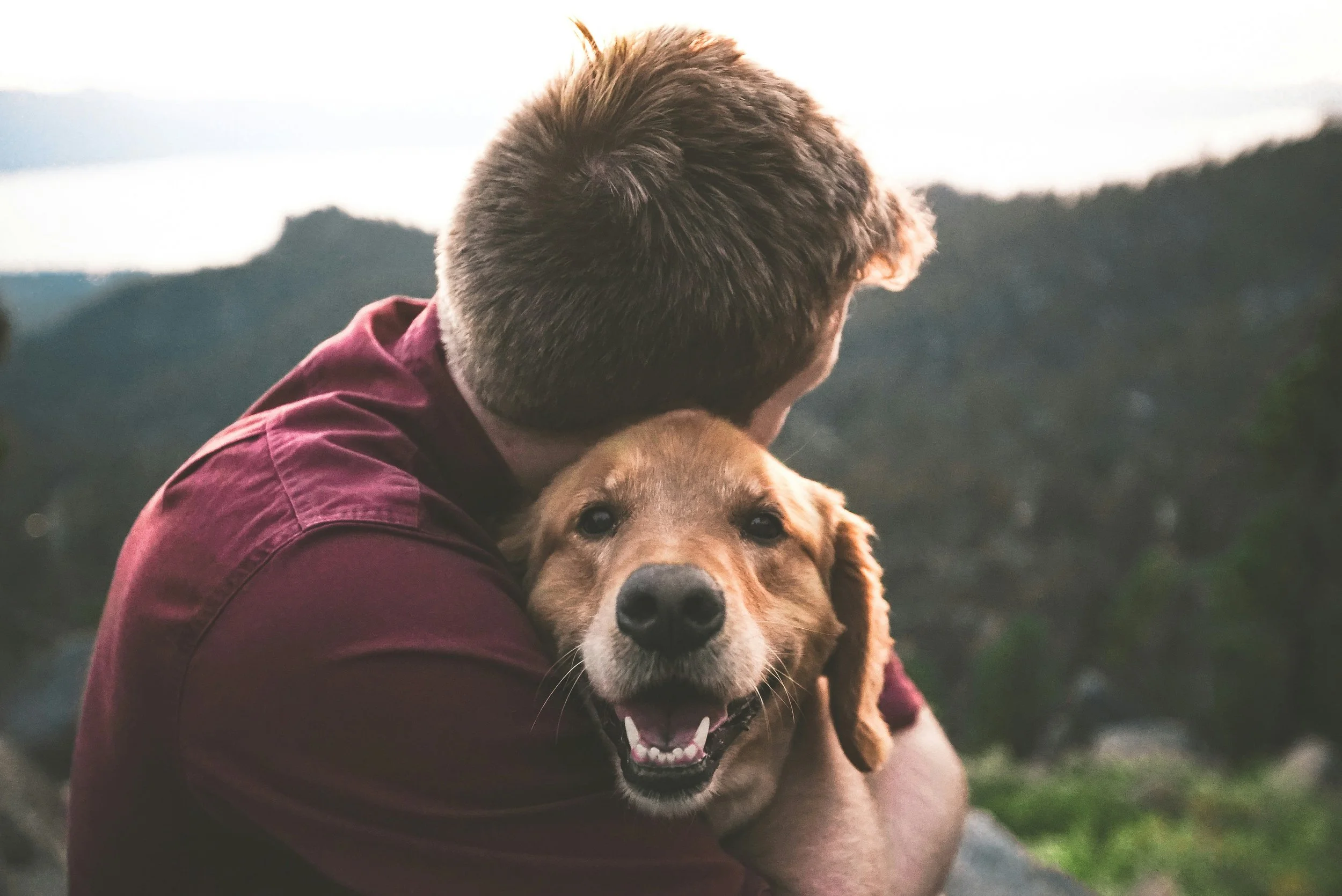
For many people in recovery, pets aren't just animals—they're family. The unconditional love, routine, and companionship that pets provide can be invaluable during the challenging early stages of sobriety. Yet finding sober living accommodations in New York City that welcome your furry friend can feel like searching for a needle in a haystack.
If you're beginning your recovery journey and can't imagine leaving your pet behind, this guide will help you navigate the search for pet-friendly sober living in NYC and understand what to look for in a facility that truly supports both you and your companion animal.
The Challenge of Pet-Friendly Sober Living in NYC
New York City's housing market is notoriously difficult, and sober living facilities are no exception. Many recovery residences have strict no-pet policies due to concerns about allergies, space limitations, or facility management complications. This puts pet owners in an impossible position: choose between their recovery and their beloved companion.
The reality is that most traditional sober living homes in Brooklyn, Manhattan, and the other boroughs simply weren't designed with pets in mind. Shared spaces, smaller rooms, and house rules often make accommodating animals challenging. But that doesn't mean pet-friendly options don't exist—you just need to know what questions to ask and what standards to expect.
Why Pets Matter in Recovery
Before diving into what to look for, it's worth understanding why keeping your pet during recovery can be so beneficial. Research from leading institutions has documented the significant role pets play in mental health and recovery processes.
Emotional Support and Companionship
Pets offer non-judgmental companionship during a time when many people feel isolated or misunderstood. Research from New York State Psychiatric Institute found that pets assist individuals in recovery from serious mental illness by providing empathy and "therapy," serving as surrogate family members, and helping redevelop social connections. The presence of a beloved pet can reduce feelings of loneliness and provide comfort during difficult moments.
Structure and Routine
Recovery thrives on routine, and pets naturally create one. Daily walks, feeding schedules, and care responsibilities give purpose to your day and help establish the kind of structured lifestyle that supports long-term sobriety. According to the Substance Abuse and Mental Health Services Administration (SAMHSA), structured recovery support is essential for sustainable recovery outcomes.
Stress Reduction
Research consistently shows that interacting with pets lowers cortisol levels and blood pressure while increasing oxytocin—the bonding hormone. Studies from the University of Utah Health demonstrate that petting or playing with a dog releases oxytocin in both your brain and the dog's brain, which is associated with lower levels of cortisol (the stress hormone) and reduced anxiety and depression. In the stress of early recovery, these physiological benefits can be profound.
Accountability
Caring for a pet creates a sense of responsibility that extends beyond yourself. Research published in PMC's systematic review found that dogs support human health through complex biopsychosocial mechanisms, including providing structure and promoting self-efficacy. Many people in recovery find that knowing their pet depends on them provides additional motivation to stay committed to their sobriety.
Essential Questions to Ask Sober Living Facilities
When you're evaluating pet-friendly sober living options in NYC, don't settle for a simple "yes, we allow pets." Dig deeper with these critical questions:
About Pet Policies
What types and sizes of pets are permitted?
Some facilities may allow cats but not dogs, or small dogs but not large breeds. Get specific details about any restrictions on species, size, or breed.
Are there additional fees or deposits for pets?
Understand the financial requirements upfront. Some facilities charge pet deposits, monthly pet fees, or require additional insurance.
What's the approval process for bringing a pet?
Many facilities require meeting the pet beforehand, proof of vaccinations, or veterinary records. Knowing the process helps you prepare properly.
Are there restrictions on where pets can go within the facility?
Clarify which areas are pet-friendly. Can your dog join you in common spaces? Are there designated areas for pets? What about sleeping arrangements?
About the Physical Environment
Is there outdoor space for pets?
Access to outdoor areas is crucial, especially for dogs. Ask about nearby parks, whether there's a yard, and what the typical routine looks like for taking pets outside.
How does the facility handle pet accidents or damage?
Understand the policies around cleaning, damage deposits, and what happens if your pet has an accident or causes damage to the property.
Are there separate living spaces for residents with and without pets?
This matters for residents with allergies and for ensuring everyone's comfort. Well-designed pet-friendly facilities often have thoughtful separations.
About Community and Support
How does the facility integrate pets into the recovery community?
The best pet-friendly sober living homes see pets as part of the therapeutic environment, not just tolerated guests. Ask how pets factor into the overall program philosophy.
What happens if you need help caring for your pet during treatment or appointments?
Recovery involves therapy sessions, meetings, and potentially medical appointments. Understanding the support system for pet care during these times is essential.
Are other residents pet owners?
A community of fellow pet lovers can provide support, shared resources, and understanding that enhances both your recovery and your pet's experience.
What to Look for in a Quality Pet-Friendly Sober Living Home
Beyond policies, certain features distinguish exceptional pet-friendly sober living facilities:
Location Matters
Proximity to Parks and Green Spaces
In NYC, access to outdoor areas isn't guaranteed. Look for facilities near parks like McCarren Park in Williamsburg or those with easy access to waterfront areas where you can walk your pet regularly.
Walkability and Pet Services
Consider the neighborhood's walkability and proximity to veterinary clinics, pet supply stores, and dog-friendly establishments. A recovery residence in a pet-friendly neighborhood makes daily life significantly easier.
Transportation Access
If you'll be commuting to work, therapy, or meetings, ensure the location works for you while accommodating your pet's needs. A ten-minute subway ride to Manhattan might be perfect for you, but you'll need to ensure your pet is comfortable with the arrangement.
Space and Amenities
Adequate Living Space
Cramped quarters stress both humans and animals. Look for facilities with spacious rooms and open floor plans that accommodate pets comfortably without feeling claustrophobic.
Pet-Friendly Design
Features like durable flooring, easy-to-clean surfaces, and separate areas for pets show that a facility has genuinely considered the needs of pet owners rather than grudgingly allowing animals.
Common Areas That Welcome Pets
The ability to include your pet in communal activities—whether that's relaxing in a shared living space or participating in house activities—helps both you and your pet feel truly at home.
Support Services
Flexible Scheduling
Recovery programming should accommodate the realities of pet ownership. Facilities that understand you need time for walks, vet appointments, and pet care demonstrate true commitment to supporting pet owners.
Understanding Staff
Staff members who are comfortable with and knowledgeable about pets create a welcoming environment. Their attitude toward your pet often reflects the facility's genuine commitment to pet-friendly living.
Red Flags to Watch For
While searching for pet-friendly sober living in NYC, be aware of warning signs:
Vague or constantly changing pet policies
Fees that seem excessive or unexplained
Staff who seem reluctant or annoyed when discussing pets
No clear procedures for handling pet-related issues
Lack of suitable outdoor access or nearby green spaces
Other residents who are hostile to the presence of pets
No consideration for how pets integrate into the recovery program
The Williamsburg Advantage for Pet Owners in Recovery
Brooklyn's Williamsburg neighborhood offers unique advantages for those seeking pet-friendly sober living. The area's extensive community of people in recovery, combined with access to McCarren Park, East River waterfront views, and countless pet-friendly cafes and boutiques, creates an ideal environment for both recovery and pet ownership.
Facilities in Williamsburg that genuinely embrace pets—rather than merely tolerating them—recognize that the bond between a person and their pet can be a powerful ally in the recovery process. The neighborhood's cultural vibe, with its median age of 29 and creative, independent spirit, tends to attract facilities with more progressive, holistic approaches to recovery that naturally include support for pet owners.
Making Your Decision
Finding the right pet-friendly sober living facility in NYC requires patience and thorough research, but it's absolutely possible. Don't compromise on either your recovery needs or your pet's wellbeing—the right facility will support both.
When you visit potential facilities, bring your pet if allowed. Observe how staff interact with your companion, how other residents respond, and whether your pet seems comfortable in the environment. Trust your instincts about whether the space feels welcoming for both of you.
Remember that your pet has been with you through challenges before, and with the right sober living environment, they can be part of your recovery journey too. The key is finding a facility that doesn't just permit pets but celebrates the role they play in supporting your path to long-term sobriety.
Taking the Next Step
If you're searching for pet-friendly sober living in Brooklyn or anywhere in NYC, start by reaching out to facilities directly with your questions. Be clear about your pet's needs, your recovery goals, and what you're looking for in a living environment.
According to SAMHSA's 2024 National Survey on Drug Use and Health, 48.4 million people aged 12 or older had a substance use disorder in the past year, yet only about 1 in 4 received treatment. Finding the right recovery environment—one that supports all aspects of your life, including your relationship with your pet—can make the difference in accessing and maintaining the support you need.
Recovery is challenging enough without having to leave your four-legged family member behind. With the right research and advocacy for your needs, you can find a sober living home where both you and your pet can thrive together. If you need help finding treatment or support services, SAMHSA's National Helpline (1-800-662-HELP) provides free, confidential support 24/7.